Collect & Connect
How to Collect Family Recipes from Parents and Grandparents
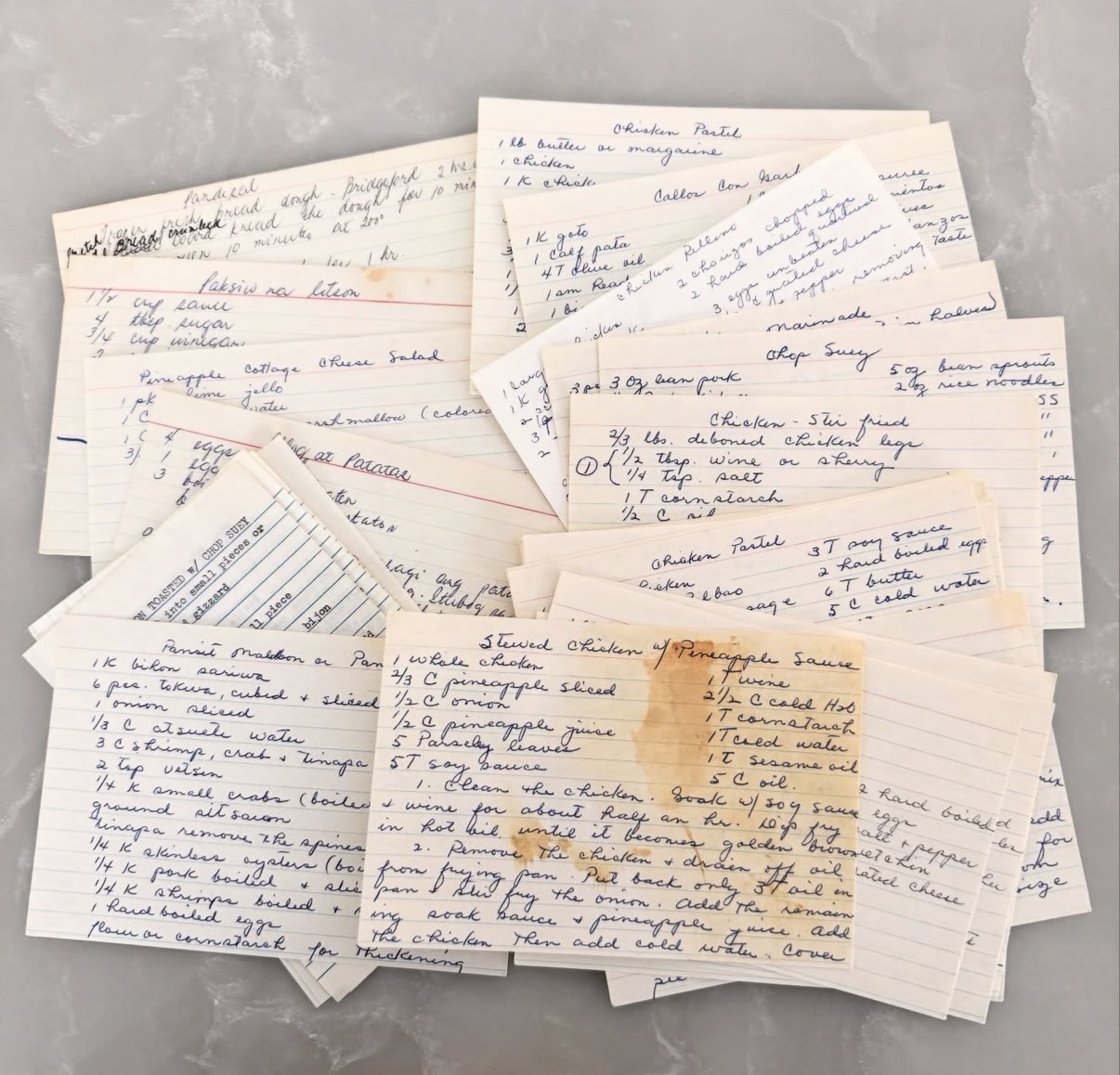
Some of the most important family recipes were never written down.
They're remembered through repetition, passed from one person to another, or learned by watching someone cook.
A grandmother might measure ingredients by feel. A father might know a dish is ready by its smell. A family member may have adapted a recipe over decades without ever recording the changes.
When you're collecting family recipes, these details matter as much as the ingredient list.
Here's how to gather them with care.
Step 1: Begin with one person and one dish
You don't need to organize an entire family project immediately.
Start with someone whose cooking means something to you.
Ask about one dish you remember.
A simple question such as "Can you teach me how you make your chicken curry?" may lead to a richer conversation than asking someone to write down every recipe they know.
Step 2: Let them cook or explain in their own way
Some people are comfortable writing recipes. Others would rather talk or demonstrate.
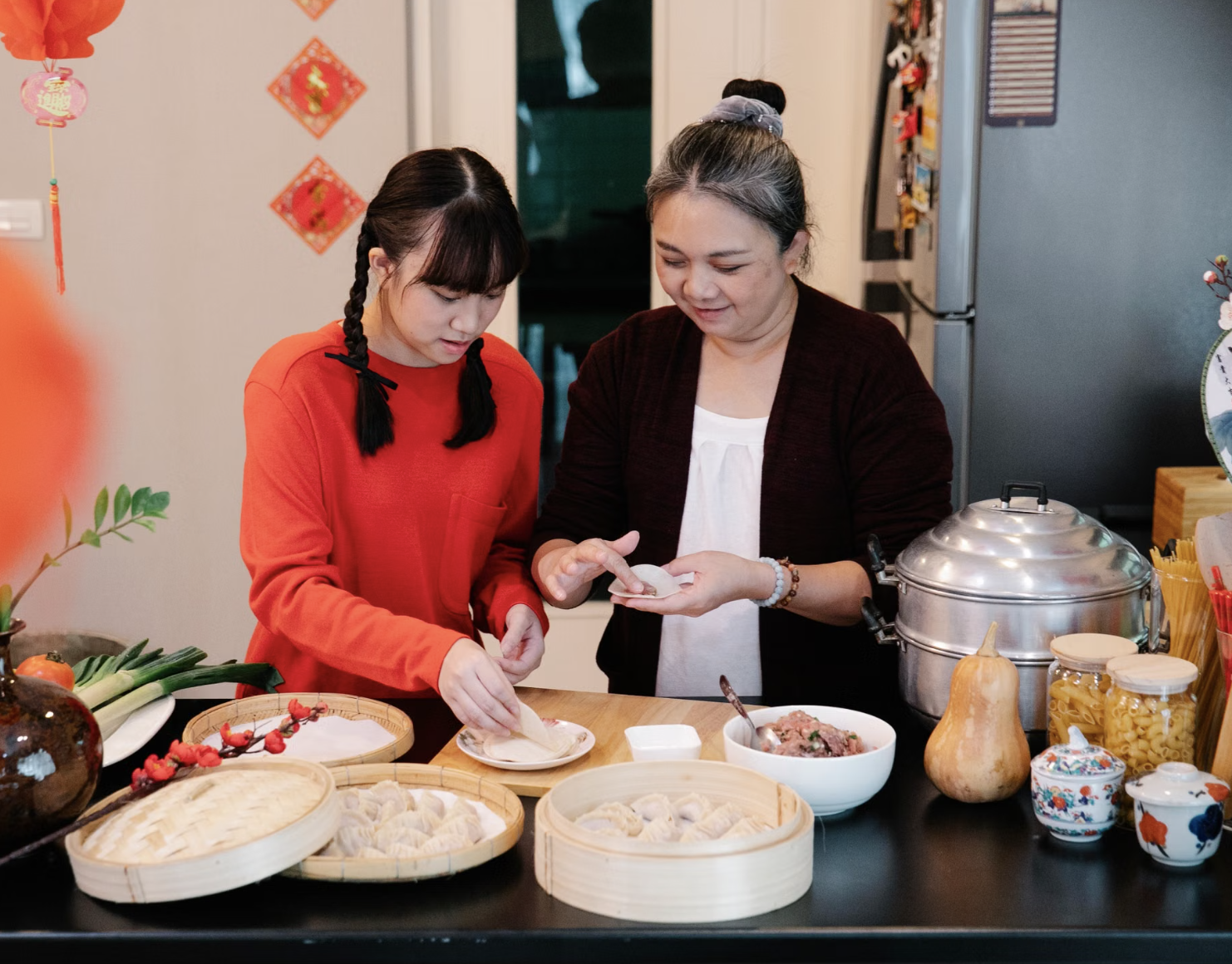
If possible, prepare the dish together.
Pay attention to what they do automatically: how they cut ingredients, judge texture, adjust seasoning, or decide when something is ready.
These small details can be difficult to reconstruct later.
Step 3: Ask questions beyond the recipe
Consider asking:
- Who taught you how to make this?
- Do you remember the first time you cooked it?
- Did the recipe change when you moved or started your own family?
- Is there an ingredient you substitute when the original isn't available?
- Who in the family loves this dish most?
- What memory comes to mind when you prepare it?
Don't turn the conversation into a formal interview unless that is what the person prefers.
Let the stories emerge naturally.
Step 4: Record with permission
A phone can be enough to capture a cooking demonstration or a spoken explanation.
Always ask permission before recording someone's voice, image, or story.
Explain how the recording will be stored, who will be able to access it, and whether it will be shared.
Respect someone's decision if they prefer not to record or include particular details.
Step 5: Capture the details that recipes leave out
Write down cooking tips that might otherwise be forgotten.
For example:
- How dark should the onions become?
- What should the sauce look like?
- How do you know the dough has the right consistency?
- Which ingredient makes this family's version different?
These details help future generations recreate the dish more faithfully.
Step 6: Invite others to contribute
Once you've collected a few recipes, ask siblings, cousins, and other relatives if they'd like to contribute.
Different family members may remember different versions of the same dish.
Rather than forcing everyone to agree on one definitive version, consider keeping variations and identifying who contributed each one.
Step 7: Create a collection the family can continue using
Recipes become more valuable when people can find, use, discuss, and add to them.
Give your collection a structure that makes sense to your family.
Encourage contributors to keep sharing new recipes and cooking memories as they emerge.
An Invitation You Can Send
“I'm putting together a collection of our family recipes and would love to include something you make. Could we cook together sometime, or could you share a recipe and the story behind it? We can write it down, take a photo, or record your explanation if you're comfortable.”
How Heritage Table can help
Heritage Table helps families collect more than written instructions.
Bring together recipes, photographs, voice recordings, and personal stories in a shared Living Cookbook, keeping the people and knowledge behind each dish connected.