Organize & Digitize
How to Digitize Handwritten Family Recipes
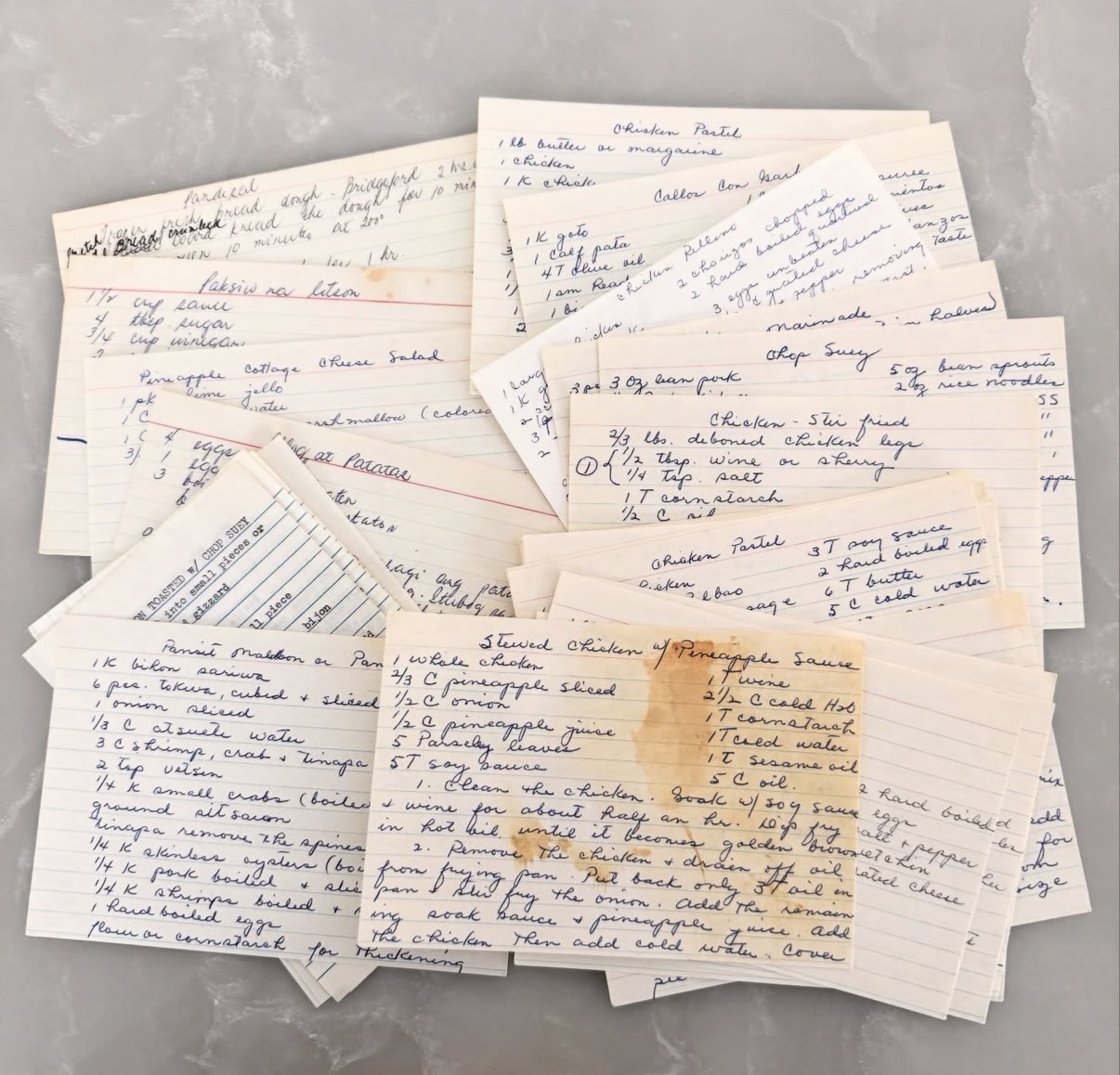
The recipes we inherit don't always arrive in tidy, organized collections.
They may be written on index cards, tucked inside cookbooks, scribbled on envelopes, or saved in old notebooks with stained pages.
Some include complete instructions. Others contain only ingredients and measurements that make sense to the person who wrote them.
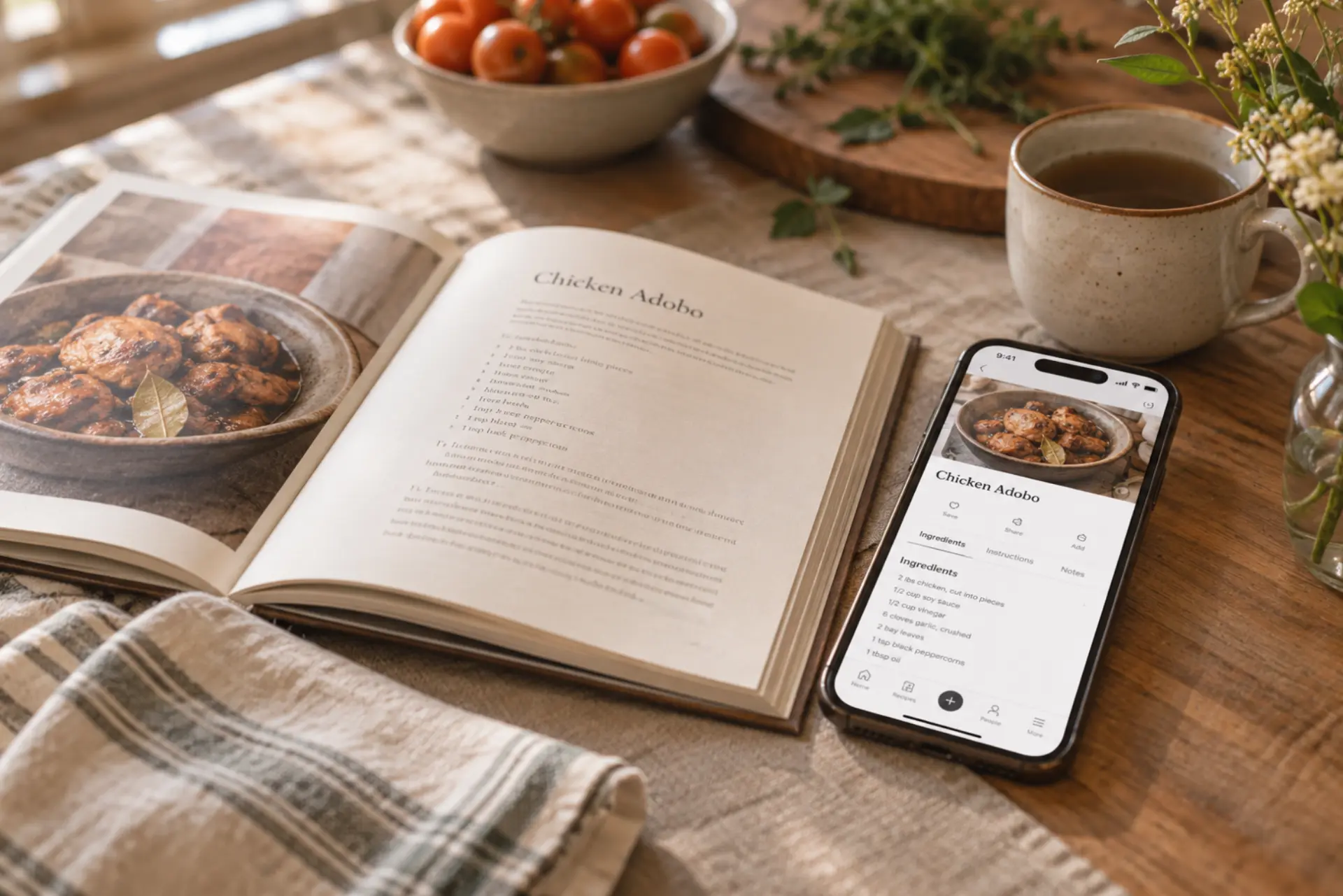
Digitizing these recipes makes them easier to find, cook from, and share while keeping the originals safe.
Here's how to begin.
Step 1: Gather your recipes in one place
Start with a single drawer, box, or notebook.
Don't worry about collecting every recipe your family has ever written down.
Choose five to ten recipes to begin with, especially those your family still cooks or remembers fondly.
Step 2: Photograph or scan each recipe
Use your phone or scanner to capture the original.
Place the recipe on a flat surface with good natural lighting. Make sure the full page is visible and the text is readable.
Photograph the back of the card if it contains notes.
Keep a copy of the original image, even if you plan to type out the recipe later.
Handwriting, corrections, and small annotations are part of the history of the recipe.
Step 3: Transcribe the ingredients and instructions
Turn the handwritten recipe into readable digital text.
Pay attention to ingredient quantities, preparation methods, oven temperatures, and cooking times.
If part of the handwriting is unclear, don't guess.
Mark it as uncertain and ask someone familiar with the recipe to help clarify it.
AI transcription can help with the initial draft, but handwritten recipes should always be checked by a person.
Step 4: Add missing cooking details
Older family recipes often assume the cook already knows what to do.
Instructions such as "bake until done" or "add enough flour" may need some clarification.
If the original cook is available, ask them to explain.
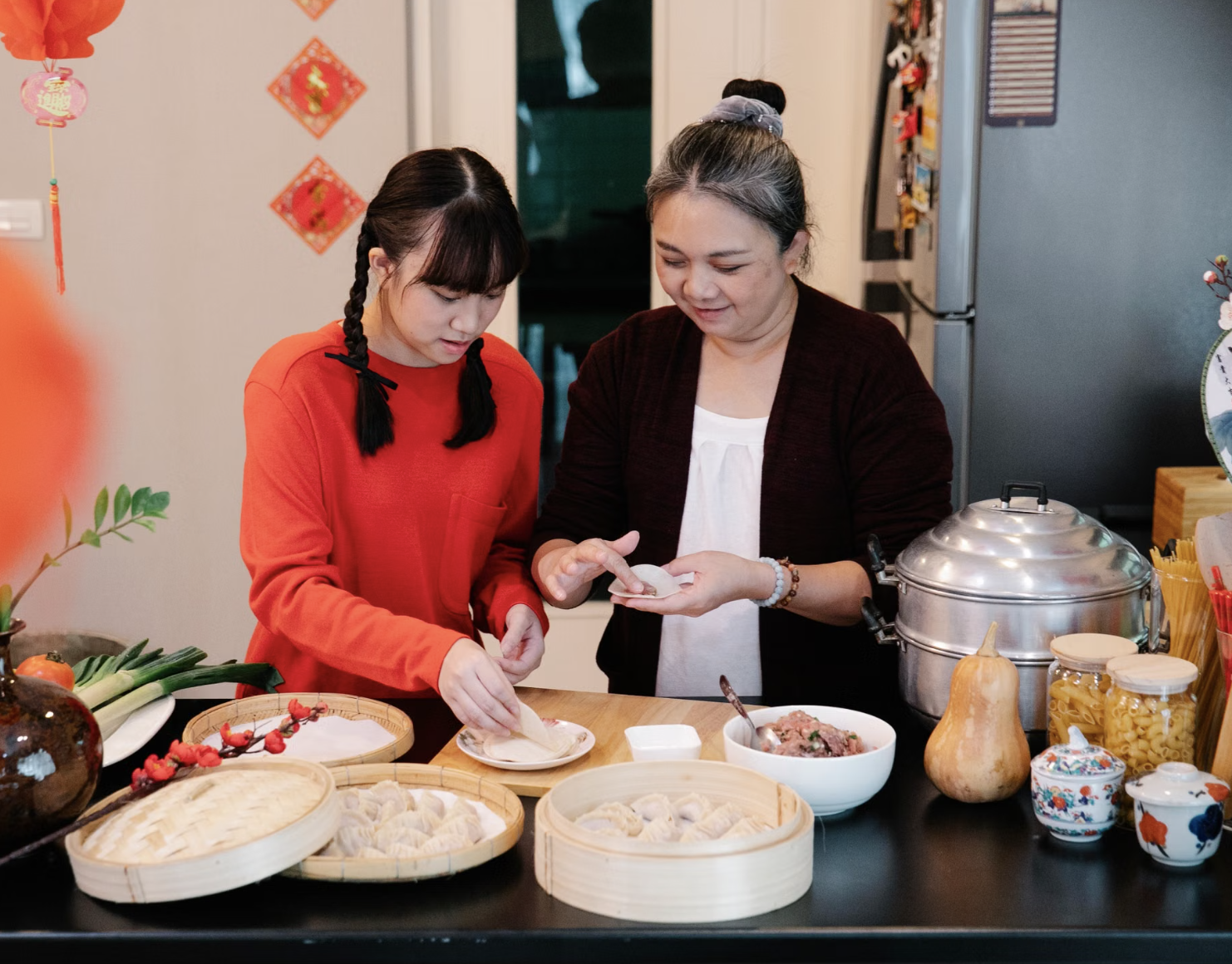
You might even cook the recipe together while documenting the steps.
Keep any newly clarified instructions distinguishable from the original wording.
Step 5: Organize your digital collection
Choose categories that help your family find recipes easily.
These might include:
- Breakfast
- Main Dishes
- Desserts
- Holiday Recipes
- Recipes by Family Member
- Cultural or Regional Traditions
Use consistent recipe titles and include the contributor's name when appropriate.
Step 6: Keep the memories connected
If a recipe belonged to your grandmother, include her name and, with permission, a photograph or short story about the dish.
If a parent has a particular way of preparing it, consider recording their explanation.
Digitizing a recipe isn't only about turning handwriting into text. It's also an opportunity to capture the knowledge behind the instructions.
Step 7: Back up your collection
Maintain copies of the original photographs and transcribed recipes.
Use secure storage, and make sure family members understand who can access and share the materials.
What to Keep With Each Recipe
- A photograph or scan of the original
- A readable transcription
- Clarified measurements or cooking instructions
- The contributor's name, with permission
- Memories or stories connected to the dish
Keep the original wording distinguishable from any later clarifications.
How Heritage Table can help
Heritage Table gives scattered family recipes a more organized digital home.
Bring together recipe information, original photographs, voice recordings, and stories in a private Living Cookbook that's easier to search, use, and share with family.